

Hear from Our Customers
You can’t fix a mold problem you can’t see. That’s the issue most Croydon Acres homeowners face—musty smells, allergy symptoms that won’t quit, or a failed home inspection with no clear answers.
Professional mold testing does more than confirm you have a problem. We map it. We measure it. We tell you exactly what species you’re dealing with, where it’s growing, and what’s feeding it.
That means no more ripping open walls hoping you guessed right. No more wondering if that corner in the basement is actually dangerous or just ugly. You get a clear picture of what’s happening in your home, backed by lab results and thermal imaging that shows moisture you can’t see with your eyes.
Once you know what you’re up against, you can make a real plan. Not a panicked one.
Mack’s Mold Removal has been helping homeowners in Croydon Acres and throughout Bucks County handle mold the right way. We’re not a franchise. We’re local, and we’ve seen what Pennsylvania’s humidity does to basements, crawl spaces, and attics that don’t get enough airflow.
We use the same methods across every job—EPA-approved testing, IICRC-certified inspectors, and independent lab analysis. That’s not marketing talk. It’s how we make sure you’re not getting a guess.
If you’re buying a home, dealing with a leak, or just need to know if that smell is actually mold, we’ll give you a straight answer. No upselling. No scare tactics. Just testing, results, and next steps.
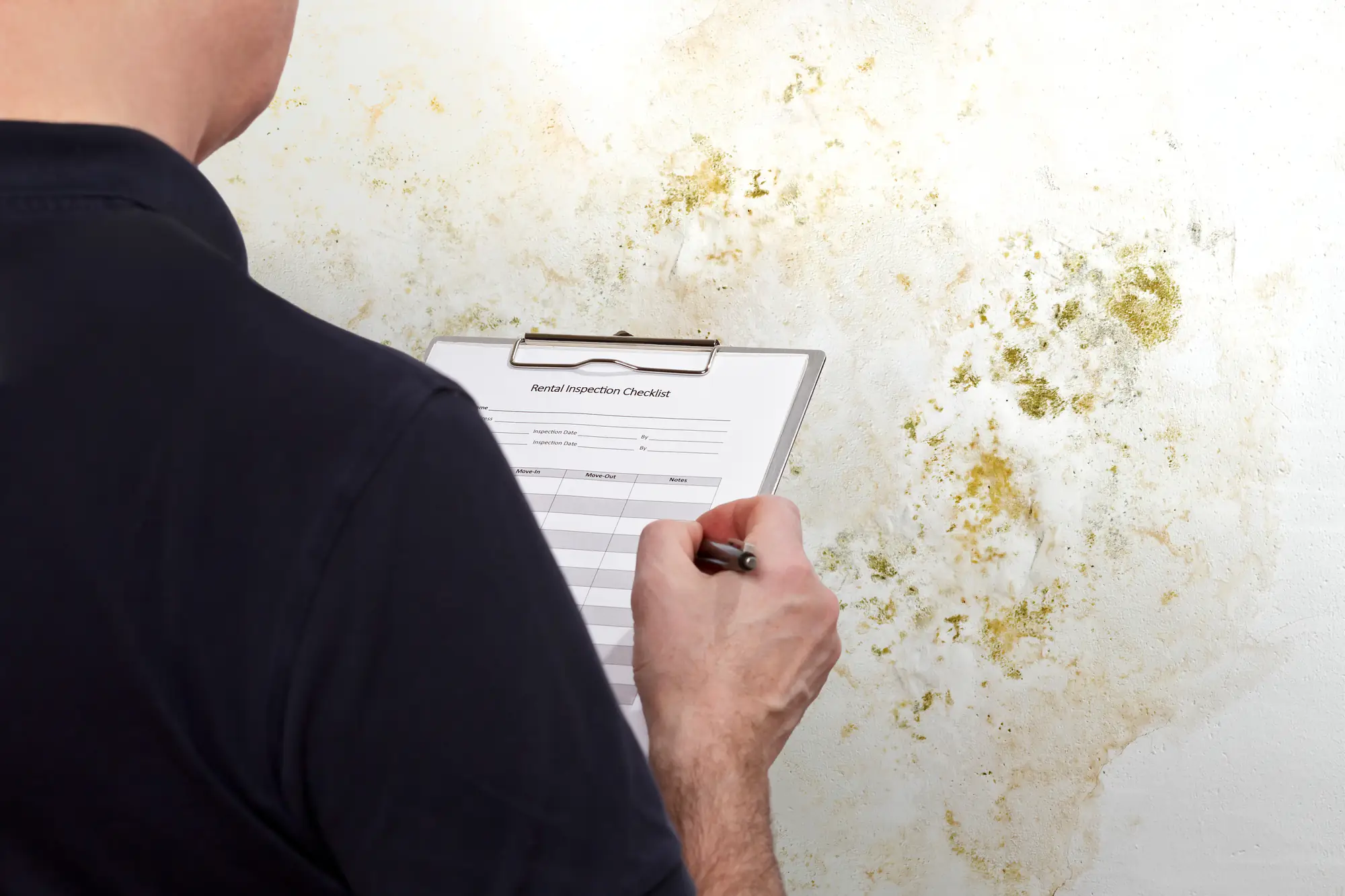
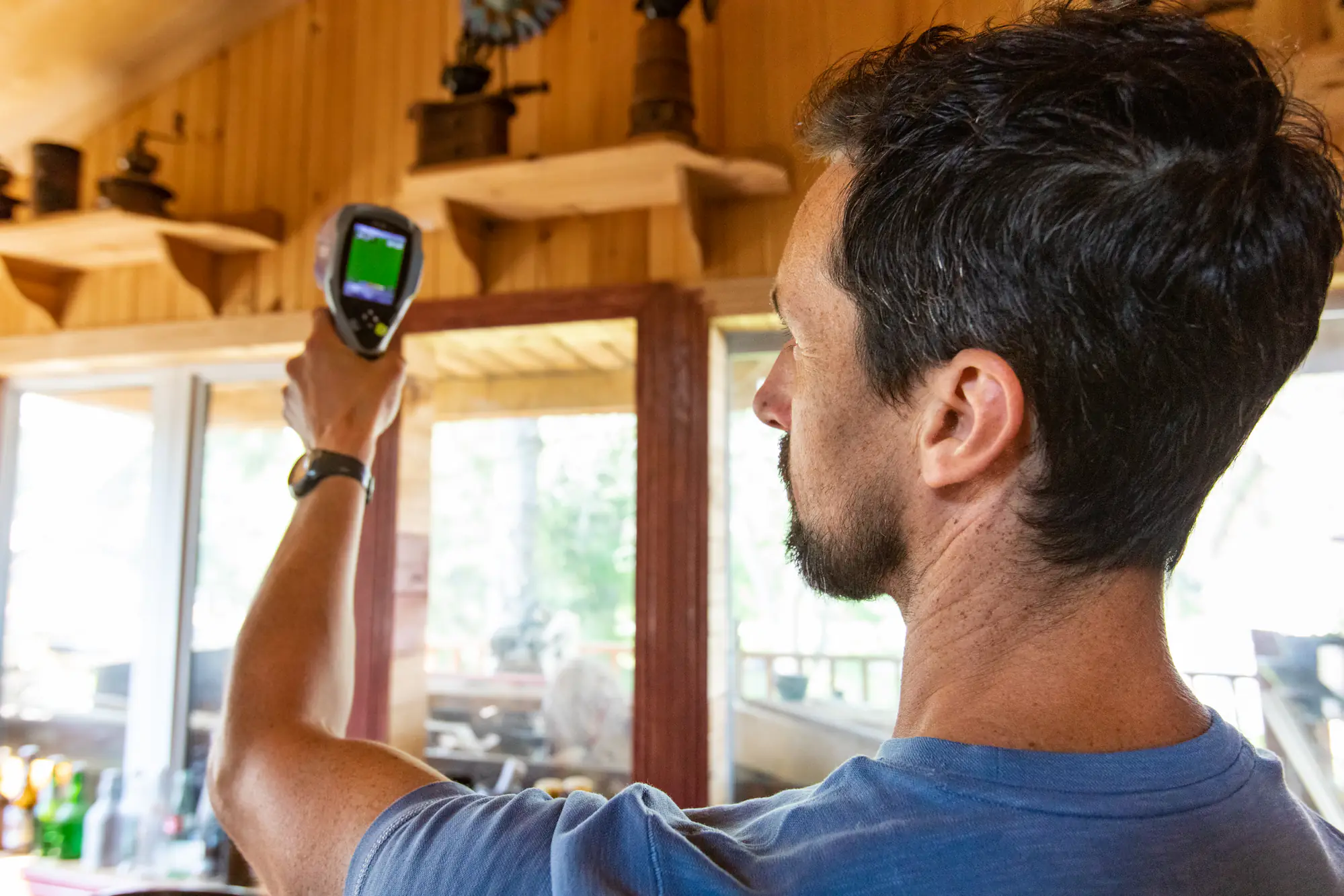
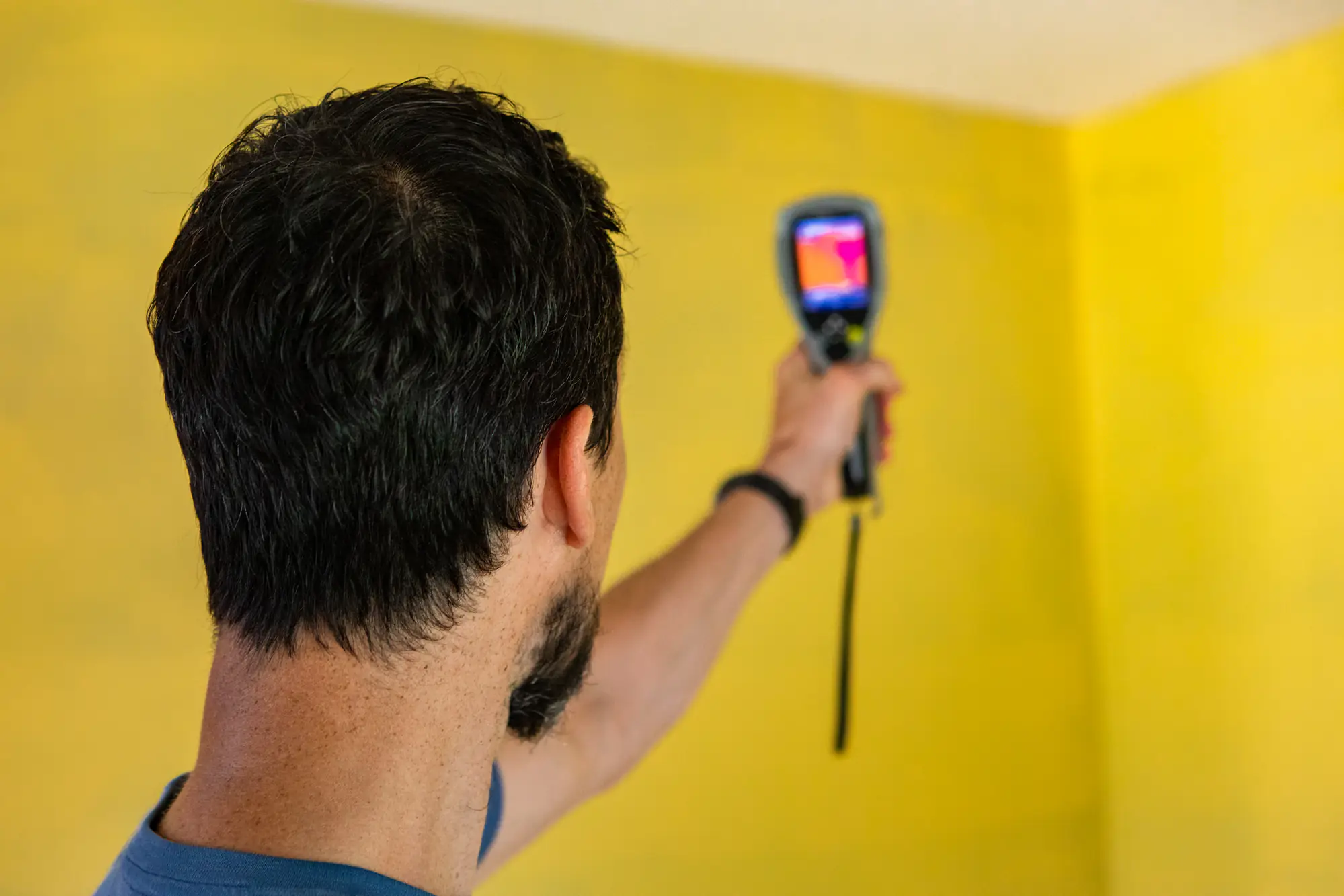
First, we walk through your home and look for the obvious stuff—water stains, discoloration, condensation patterns. But we also use thermal cameras and moisture meters to find what’s hiding behind drywall or under flooring.
Then we take samples. Air samples tell us what’s floating around that you’re breathing in. Surface samples tell us what’s growing on walls, ceilings, or HVAC vents. If we need to, we’ll test inside wall cavities or ductwork.
Those samples go to an independent lab. They identify the species, measure the concentration, and compare it to outdoor levels. We don’t run the lab, so there’s no conflict of interest.
Once results come back—usually within a few days—we walk you through what they mean. If you need remediation, we’ll tell you what that looks like. If it’s a moisture issue you can handle yourself, we’ll say that too. You’ll know what’s actually necessary.
Ready to get started?
Every residential mold testing appointment includes a full visual inspection, moisture mapping with calibrated meters, and thermal imaging to spot temperature differences that signal hidden water. We check basements, crawl spaces, attics, bathrooms, and anywhere else moisture tends to settle in Bucks County homes.
You also get air sampling and surface testing. Air samples capture spores you can’t see. Surface samples confirm what’s growing on walls, wood, or fabric. Both get analyzed by an EPA-certified lab, and you receive a full report with species identification and concentration levels.
If you’re in the middle of a real estate transaction, we can provide documentation that satisfies lender requirements and gives you leverage during negotiations. Plenty of Croydon Acres buyers have used our reports to get sellers to cover remediation costs or reduce the sale price.
We also test after remediation is done. That’s how you prove the job was finished correctly—and how you protect yourself if it wasn’t.
If you can see mold, you don’t always need a test—you need removal. But if you’re smelling something musty and can’t find the source, that’s when testing makes sense. Same goes for unexplained health symptoms like a persistent cough, headaches, or allergy flare-ups that only happen at home.
Testing also matters during real estate deals. A lot of mortgage lenders won’t approve a loan until a black mold test confirms the home is safe. If an appraiser flags a moisture issue or visible growth, you’ll need documentation before closing.
And if you’ve had a leak, even one you cleaned up fast, testing tells you whether spores took hold in hidden areas. Mold grows within 24 to 48 hours after water exposure, and it doesn’t always show up right away. Professional mold testing finds it before it spreads.
Air testing measures what’s floating around in your home. We use a pump to pull air through a collection device, and that sample goes to a lab. The lab counts spore levels and compares them to outdoor air. If your indoor levels are way higher, that’s a red flag.
Surface testing checks what’s growing on walls, ceilings, wood, or fabric. We swab or tape-lift a sample and send it in for analysis. This tells you the exact species and whether it’s toxic. It also confirms whether that discoloration is actually mold or just dirt.
We do both because they answer different questions. Air testing shows how much you’re breathing in. Surface testing shows what’s actively colonizing your home. Together, they give you the full picture of what you’re dealing with in Croydon Acres.
The inspection itself usually takes one to two hours depending on the size of your home and how many areas we’re testing. We’re not rushing through it. We’re checking every space where moisture tends to hide in Bucks County homes—basements, crawl spaces, attics, and around windows or doors.
After we collect samples, they go to an independent lab for analysis. You’ll typically get results back within three to five business days. The report breaks down spore types, concentration levels, and whether your indoor air quality is worse than outdoor levels.
Once results are in, we’ll walk you through what they mean and what your options are. If remediation is needed, we’ll explain the scope. If it’s a ventilation or dehumidification issue, we’ll tell you that instead. You’re not waiting weeks for answers or getting a vague “you might have a problem” response.
You can, but those kits don’t tell you much. Most of them just confirm that mold spores exist—which they do, in every home. They don’t measure concentration, identify species, or show you where the problem is actually coming from.
The bigger issue is that DIY kits miss hidden mold. If it’s growing inside your walls, under flooring, or in your HVAC system, a petri dish sitting on your counter won’t catch it. You’ll get a false sense of security or waste money on a test that doesn’t give you actionable information.
We use calibrated equipment, take samples from multiple locations, and send them to a certified lab. You get species identification, concentration levels, and a clear report you can use for remediation, insurance claims, or real estate transactions. That’s the difference between guessing and knowing.
It depends on what caused the mold. If it’s from a sudden, covered event—like a burst pipe or storm damage—most policies will cover testing and remediation. But if it’s from long-term neglect, like a slow leak you ignored or chronic humidity, they’ll likely deny the claim.
That’s why documentation matters. If you’ve had water damage, getting a professional mold test right away creates a paper trail. It shows you acted fast and didn’t let the problem sit. That makes it easier to file a claim and get it approved.
Even if insurance doesn’t cover it, testing still saves you money. It prevents you from tearing into walls blindly or paying for remediation in areas that don’t actually have mold. You’re spending a few hundred dollars on a test to avoid spending thousands on unnecessary work.
First, don’t panic. “Black mold” usually refers to Stachybotrys chartarum, and while it’s not something you want in your home, it’s also not an automatic health crisis. The lab report will tell you the concentration and whether levels are high enough to be a real concern.
If remediation is needed, we’ll explain what that looks like—containment, removal, air filtration, and fixing the moisture source. You can’t just kill mold and leave it. Dead spores still trigger allergies and asthma. It has to be physically removed.
We’ll also tell you what’s feeding it. Mold doesn’t grow without moisture, so whether it’s a leaky pipe, poor ventilation, or humidity from your basement, that gets addressed too. Otherwise, it just comes back. We don’t just find the problem—we help you understand how to actually fix it for good.
Other Services we provide in Croydon Acres